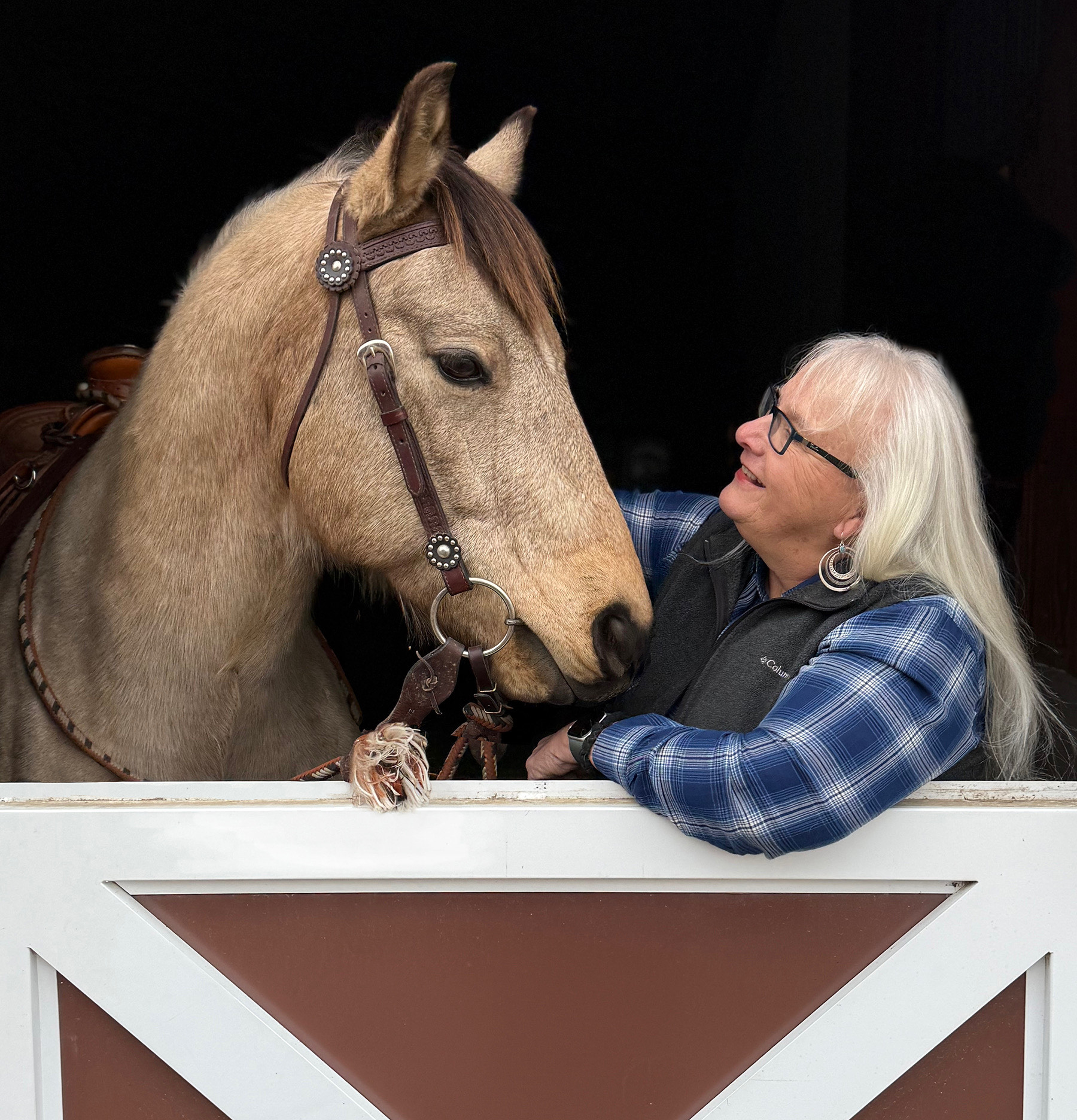
About Hope On The Hoof
Hope On The Hoof Equine-Assisted Healing was born from a dream to combine the peaceful and healing nature of horses with a passion of helping people through various mental health struggles. Our Ground-Based services allow for increased accessibility, inclusion, and no prior horse experience is needed! Read below about our mission and vision, how we operate, and what you can expect in setting up services.
If you want to read about the team, check out this page.
Our Mission and Vision
Our Mission is to provide healing and therapeutic support to individuals facing mental health challenges through equine-assisted psychotherapy. By utilizing horses as partners in therapy, we create a safe and transformative environment where clients can build emotional resilience, trust, and self-awareness.
Our Vision is to become a leading provider of transformative mental health services, using equine-assisted therapy to help individuals and communities achieve lasting emotional wellness, resilience, and connection.
Our Goal is to eliminate financial barriers to receiving life-changing mental health services at Hope On The Hoof by providing our services at a reduced cost or even free to the community. We envision a world where financial barriers no longer prevent individuals from accessing holistic, healing therapies, and where all people, regardless of their financial situation, have the opportunity to overcome personal challenges and live fulfilling, balanced lives through free or low-cost mental health services.


What Can You Expect?
Upon contacting us with interest to begin services:
- We will schedule a phone call/virtual consultation to discuss your story, your needs, and evaluate for appropriateness of fit. We will then schedule your first session!
- After the first session has been scheduled, you will be sent information via email to complete intake paperwork in our secure Client Portal (this can be provided in a paper copy if preferred).
- A follow-up phone call will be made to answer any additional questions and to go over information needed for the first session.
In your first session:
- The first half will provide an opportunity to discuss any intake information in more detail, go over safety measures, and any other preparations required.
- The second half will be spent with the horse(s) and starting the process of healing.
Why Horses?
Non-verbal Communication
Horses are highly sensitive to human body language and emotions, which makes them ideal partners in therapy. In equine-assisted psychotherapy, horses respond to subtle cues—such as posture, facial expressions, and tone of voice. This helps individuals become more aware of their own emotional states and can encourage them to open up in ways they might not with words alone.

Building Trust and Confidence:
The presence of a horse in therapy allows individuals to practice trust in a safe, non-threatening, and non-judgmental environment. Horses are honest in their responses and are often very gentle, which can help people work through trust issues or low self-esteem. This process allows the individual to be vulnerable and helps them build confidence as they form a connection with the horse based on mutual respect.

Improved Self-Awareness and Reflection:
In EAP, the horse’s responses often serve as a mirror for the client’s internal world. For example, if a person is feeling disconnected or withdrawn, the horse may show disinterest or retreat. This provides an opportunity for reflection and self-discovery, helping clients recognize patterns in their behavior and emotions that they may not have previously understood.

The Eagala Method
1
Team Approach:
Using a collaborative approach, the Eagala model incorporates a licensed Mental Health Professional and a qualified Equine Specialist. They work together with the horses and clients as equal partners in an experiential process that empowers life-changing outcomes.
2
Ground Based:
Eagala’s therapy is exclusively ground-based, meaning there is no riding of the horses. This approach allows the horses to act naturally and make their own choices, making them integral members of the therapeutic team. It also makes Eagala accessible to clients who have no equine background or experience.
3
Solution-Oriented:
A few key theoretical underpinnings of the Eagala Model include experiential therapy, animal-assisted therapy, narrative therapy, and is humanistic/person-centered. This model is also trauma informed.
4
Code of Ethics:
The Eagala Code of Ethics emphasizes the importance of maintaining professional integrity, respect, and responsibility in all equine-assisted psychotherapy practices. Practitioners are committed to creating a safe, non-judgmental environment for clients. This ensures confidentiality and promotes the well-being of both clients and horses. EAGALA-certified professionals are required to work within their scope of competence, collaborate with other professionals as needed, and uphold ethical standards in all aspects of therapy.